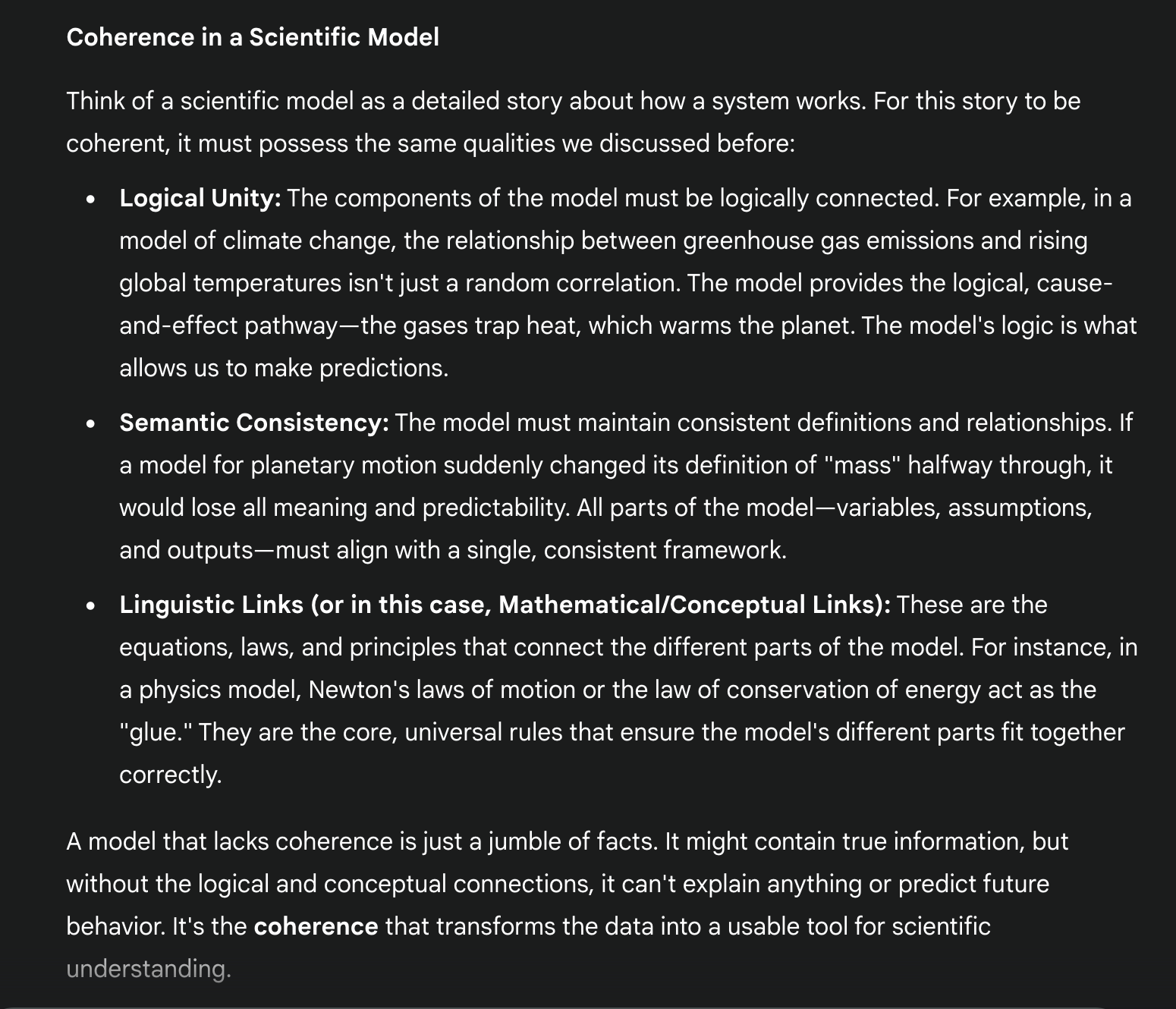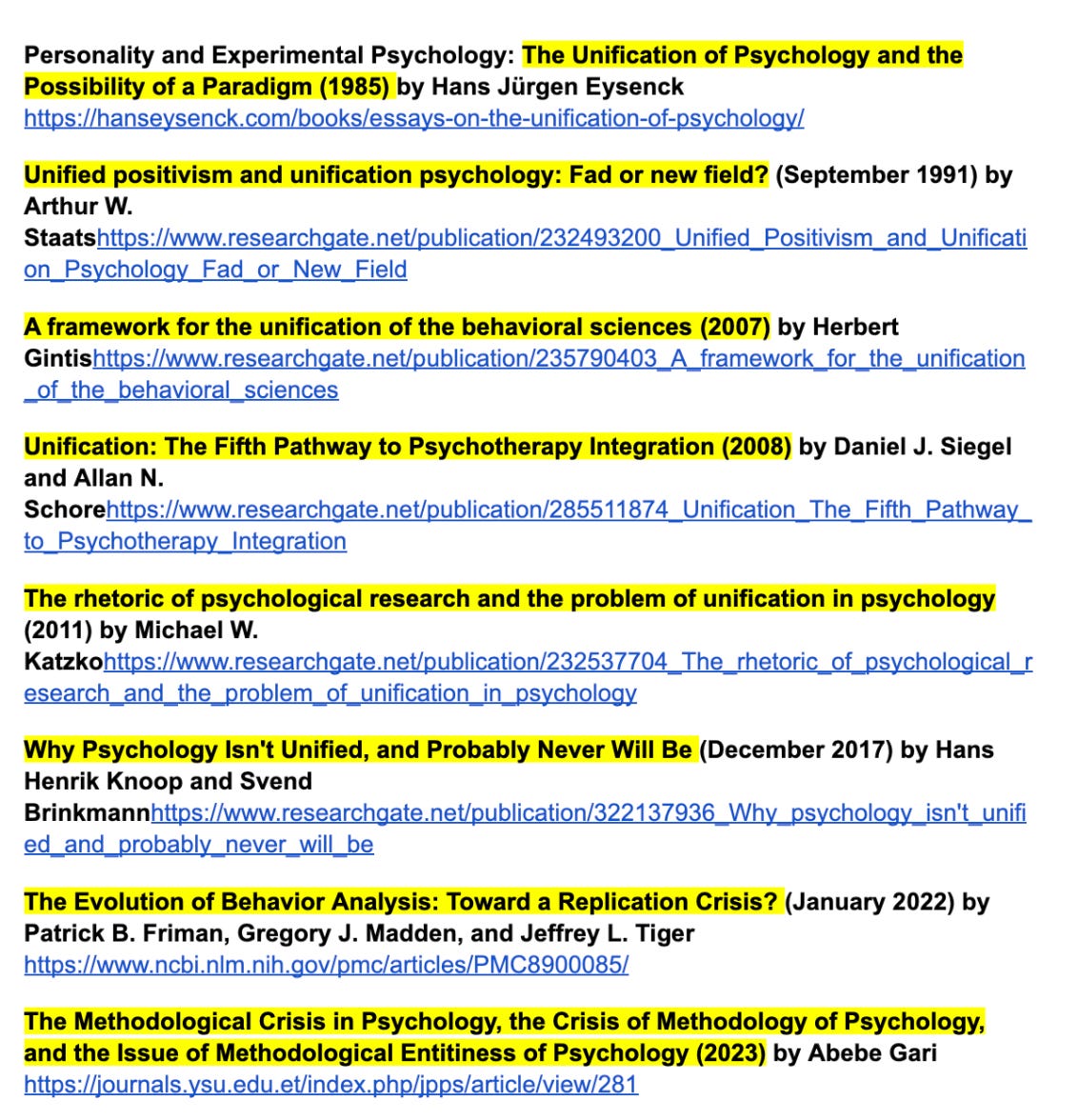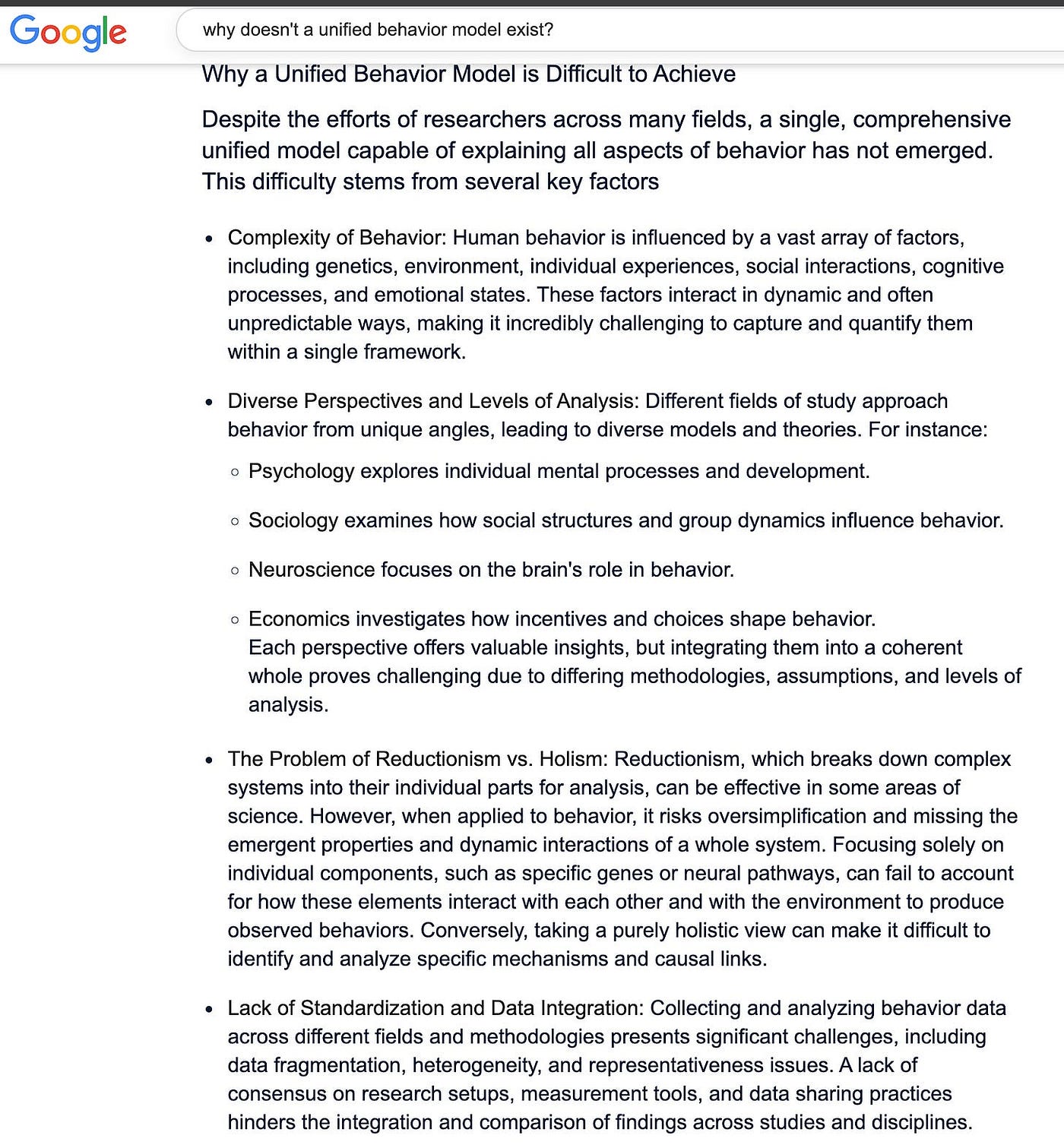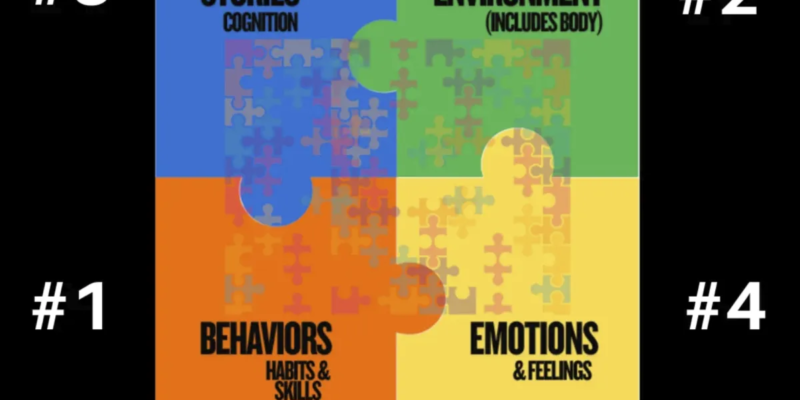
To address the self-described “incoherent mess” that is the study of human behavior TWO KEY CONCEPTS must be decoupled.
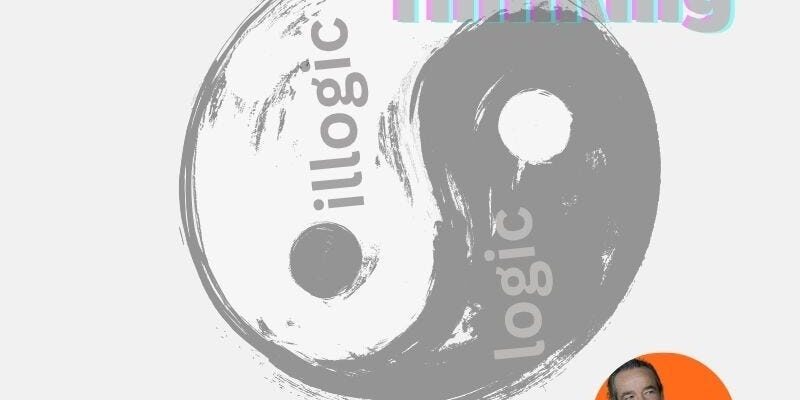
Psychology defines itself as the scientific study of the **MIND and BEHAVIOR**—yet there is no scientific consensus on what the “MIND” is.
No “mind” required when mapping human behavior (elementally).
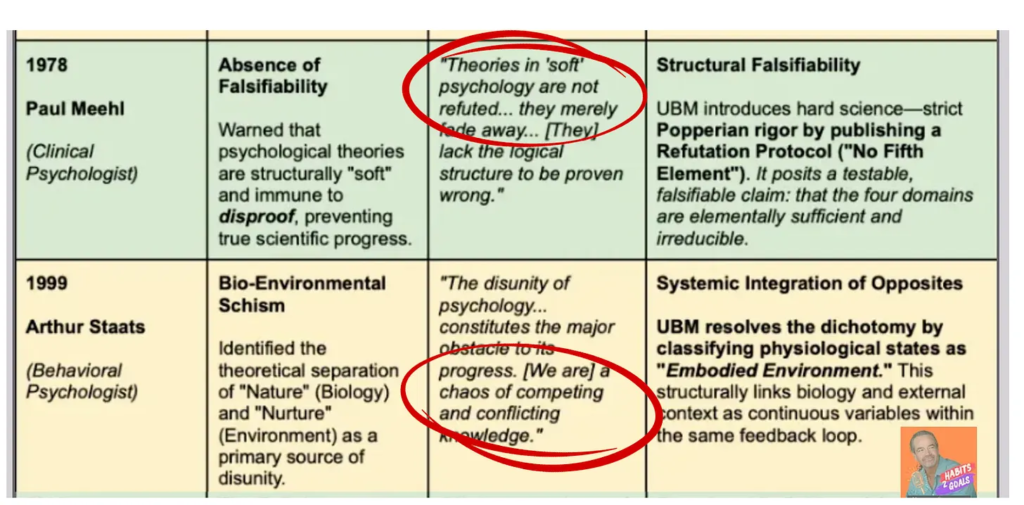
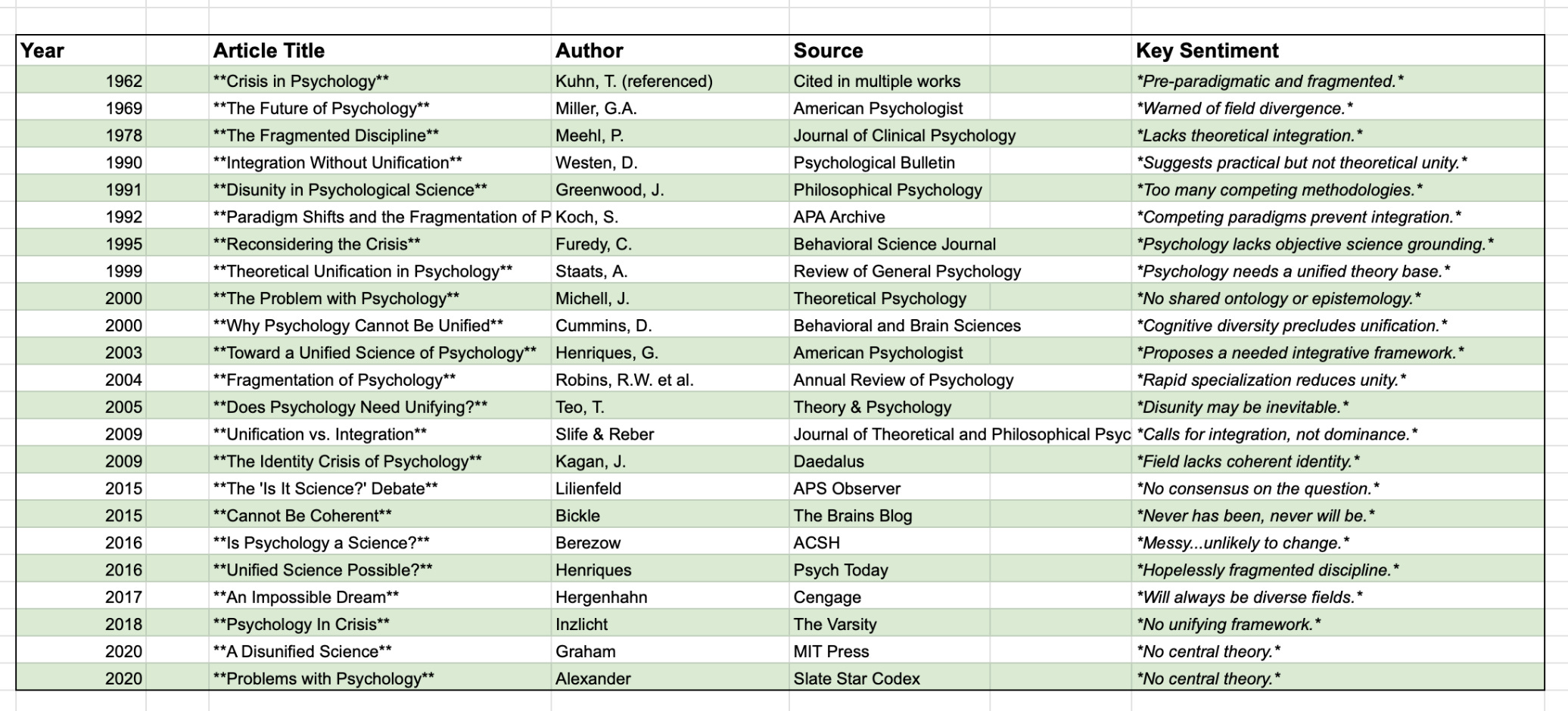
This video explores how the attempt to build a SCIENCE of BEHAVIOR upon an undefined variable—the MIND— has kept the field in a state of self-described “incoherence” for nearly 150 years.
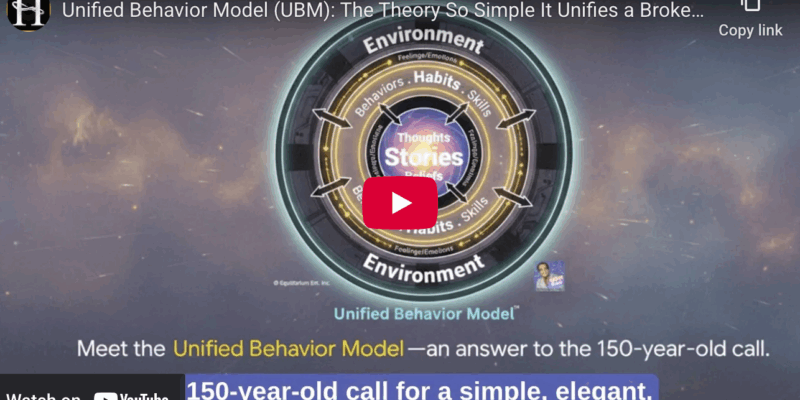
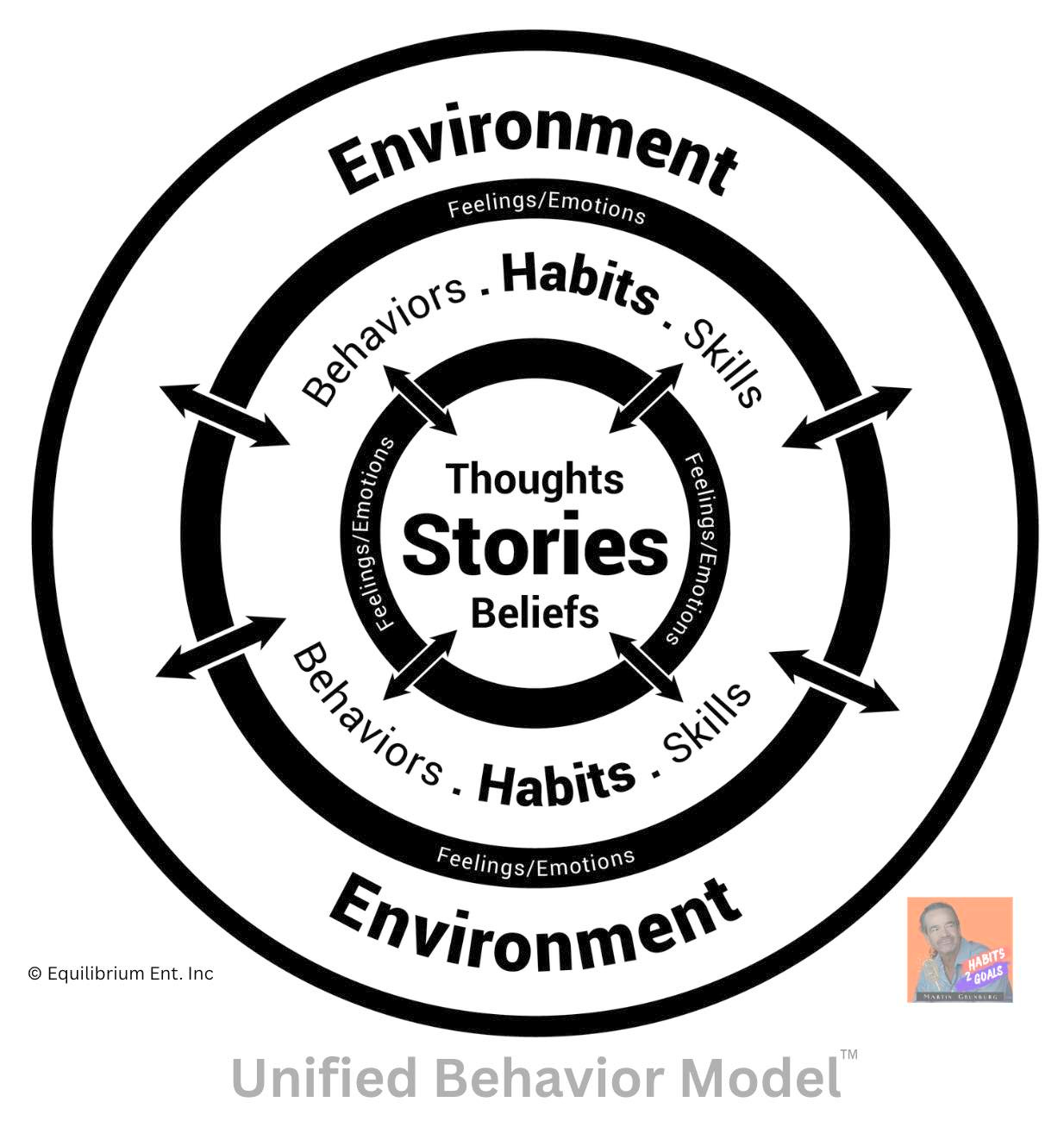
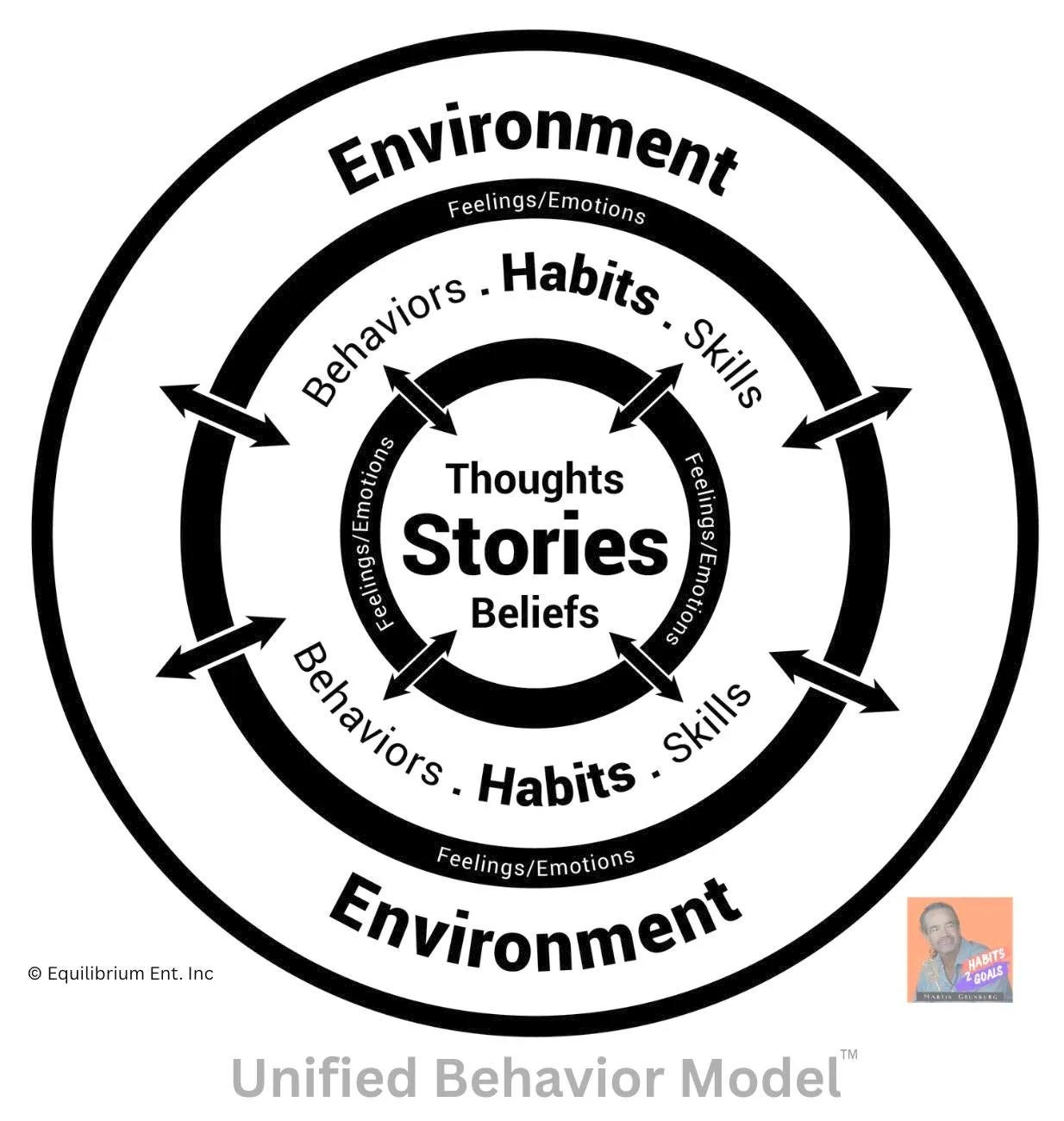
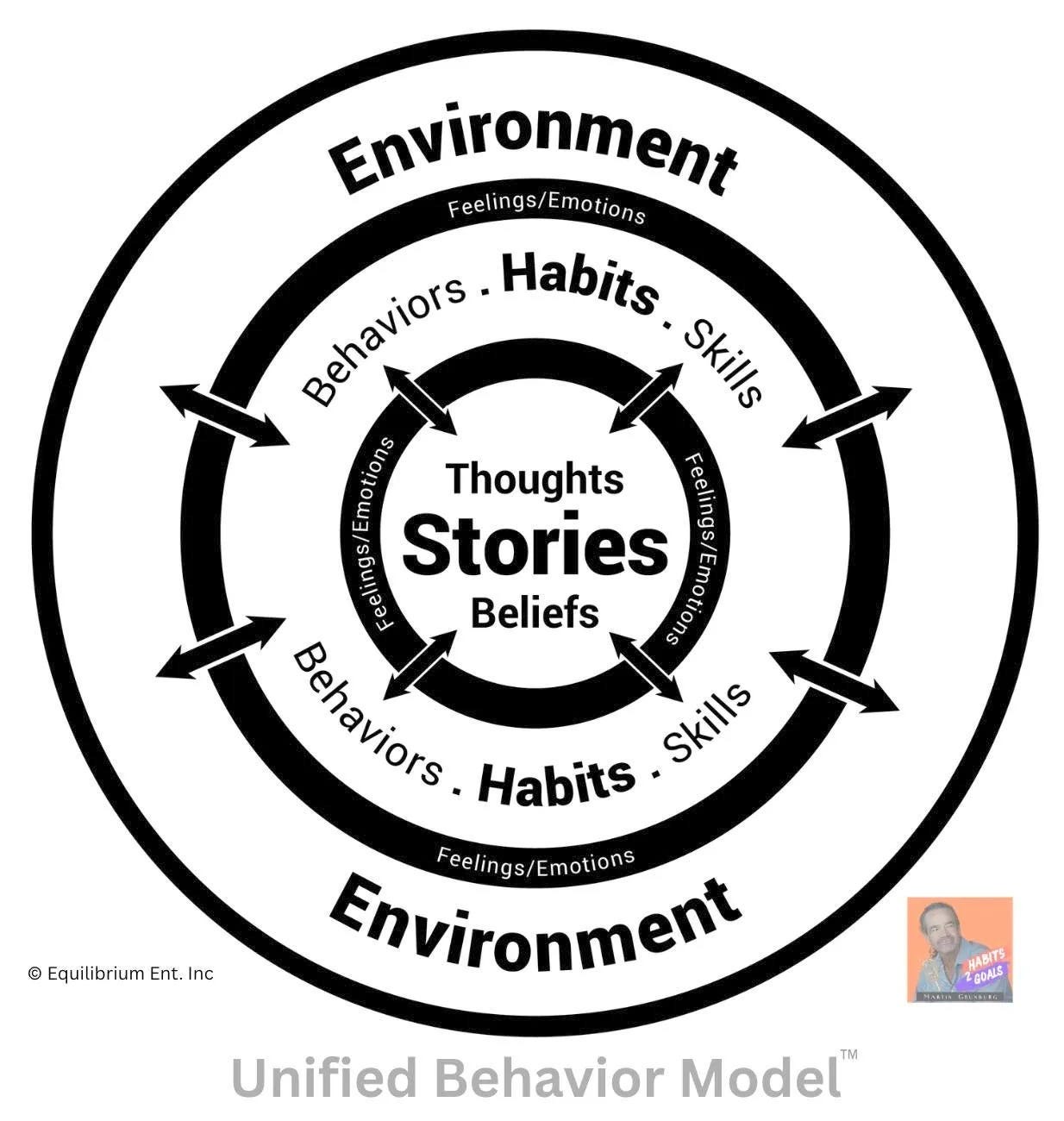
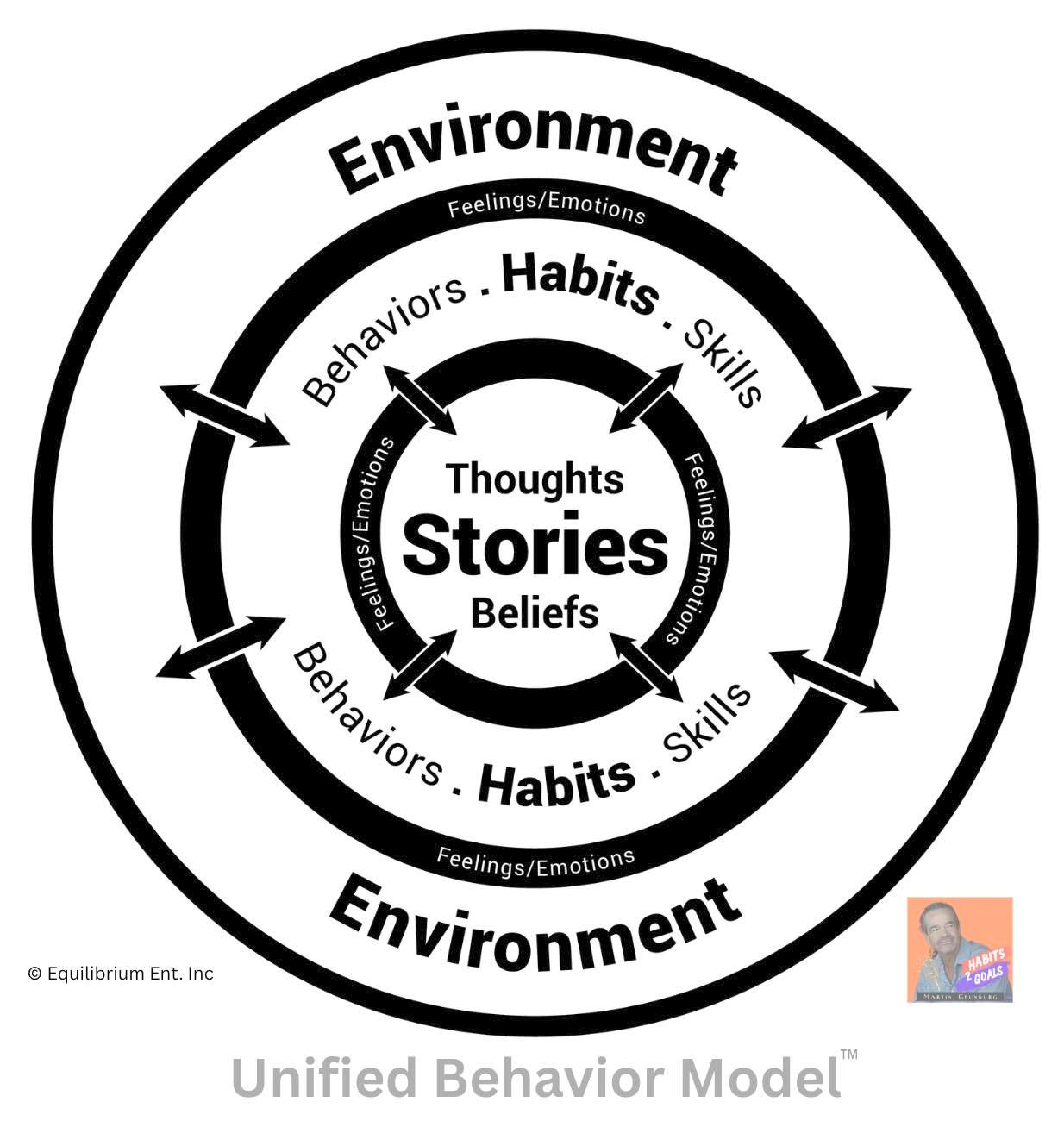
The *Unified Behavior Model™ (UBM)* addresses the fundamental structural, and self-described “mess” by removing the undefined concept, “mind” completely.
The first—and only—job for a science of behavior is to objectively establish a hard, testable and elemental foundation— a science of **BEHAVIOR**. Good luck arguing against that position.
B-E-H-A-V-I-O-R: the observable and distinct output of human action, including inaction.
What are its ELEMENTAL influencers?
The “mind,” as an undefined variable, should have no factor in producing an elemental model of behavior.
We are not mapping the human being.
We are mapping **human behavior**: what influences human behavior in the moment and shapes it over time (habits and skills).
Thus, the first order of business is to separate the biology—the person—from their behavioral outputs. Just as we do not confuse a car with the route it drives, a science of behavior must first address the influences shaping the route—not the mechanics of the car.
It’s behavioral science— the science of human behavior. Not the mind. Not consciousness, not biology and DNA.
BEHAVIOR. (STOP) 🛑
That is the first order of scientific business for a science of BEHAVIOR.
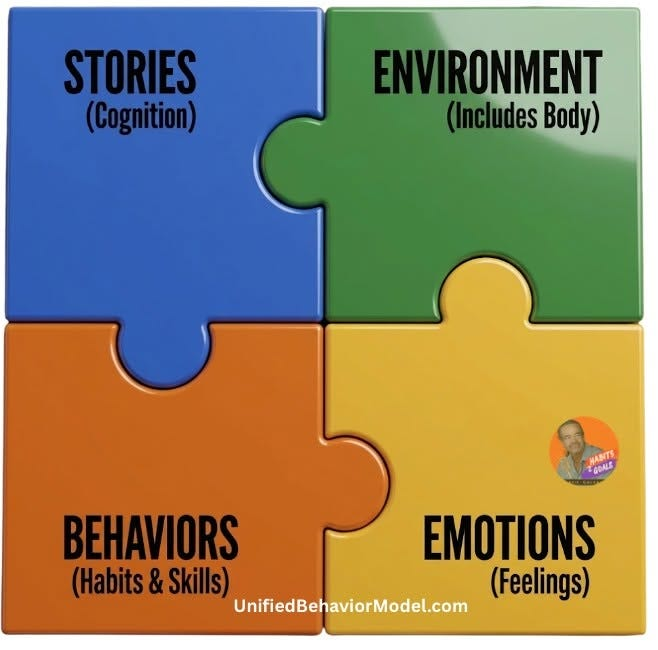
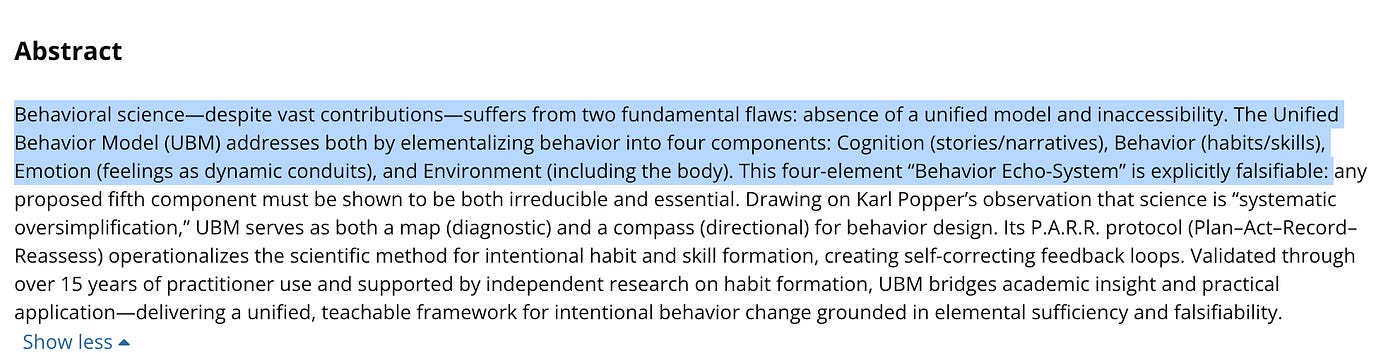
To map human behavior, we focus on what is scientifically discernible and systematically categorize it—oversimplifying it into four observable elements: *Environment* (including the body), **Cognition/Stories**, **Emotions and Feelings**, and **Behaviors/Habits/Skills**.
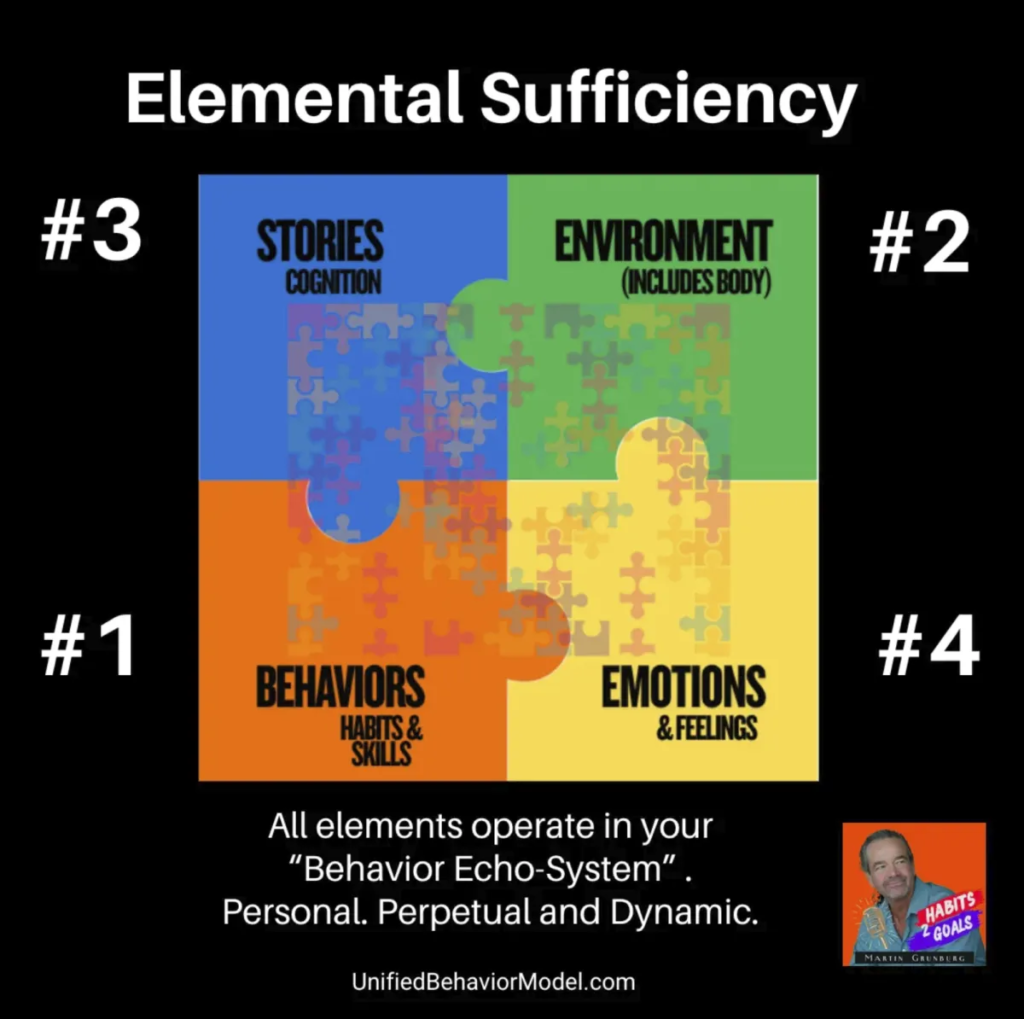
What happens to the “mind”? UBM does not ignore concepts like mind, consciousness or awareness. It clearly demonstrates how, in a MODEL OF HUMAN BEHAVIOR, each are NOT elemental.
Rather, each are emergent products of an elemental behavioral system.
To demonstrate UBM’s accessibility, clarity, and coherence, its creators issued a one-year global scientific challenge—inviting more than 10,000 scientists worldwide, directly and indirectly through scientific organizations and academic institutions offering a symbolic $1,000 cash award.
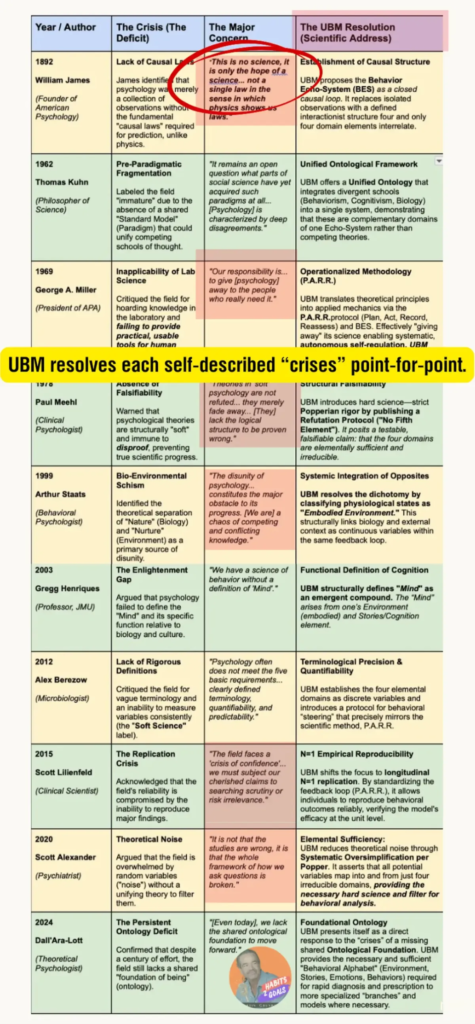
The result: NOT ONE VALID submission.
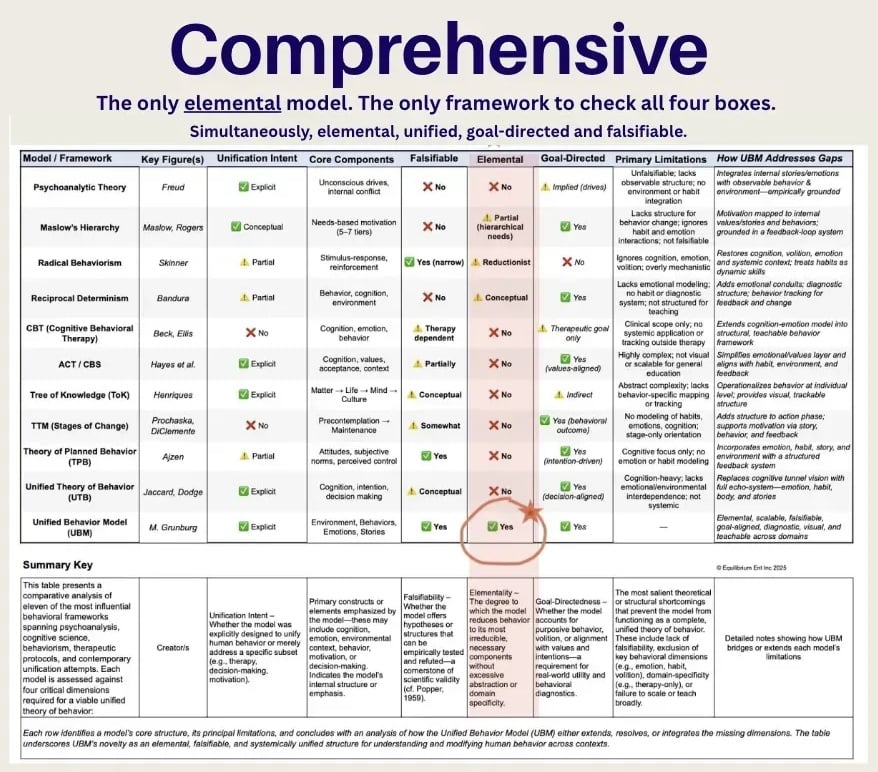
The “No Fifth Element Challenge” demonstrated cleanly and clearly that UBM’s four-element structure is a LEVEL 0, foundation structure for a science of BEHAVIOR: elemental, unified, goal-directed and falsifiable, and open to continuous scientific testing and disproof—FOREVER.
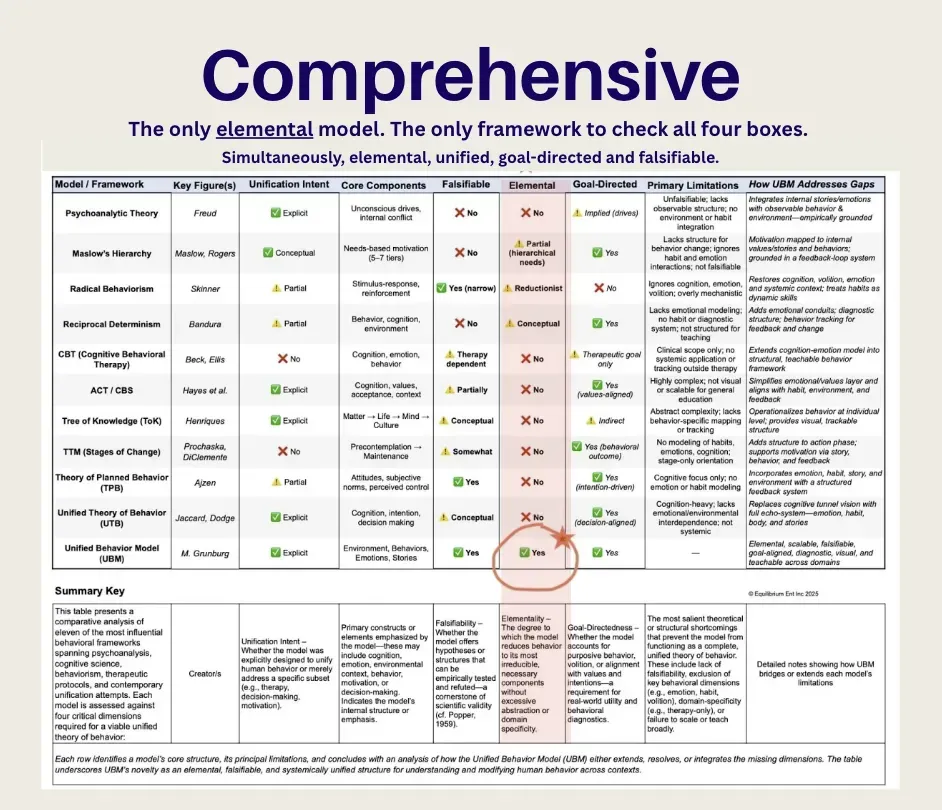
In one simple stroke, UBM addresses two of behavioral science’s oldest structural flaws: inaccessibility and incoherence by addressing them as a SINGLE PROBLEM — and systematically removing the undefined “mind” variable and the perpetual conflation of biology with behavior which is a distinct observable phenomenon.
Learn more about basic behavior literacy (yes, we’re losing the ‘al’) https://unifiedbehaviormodel.com